Professional food safety experts located in Brampton help maintain food service establishments, commissaries, baking enterprises, warehouses, and mobile food units to sanitation standards. They treat high-touch surfaces, food-contact areas, equipment, floors, drains, restrooms, and preparation zones using approved sanitizers, in correct dilution, and with verified times.
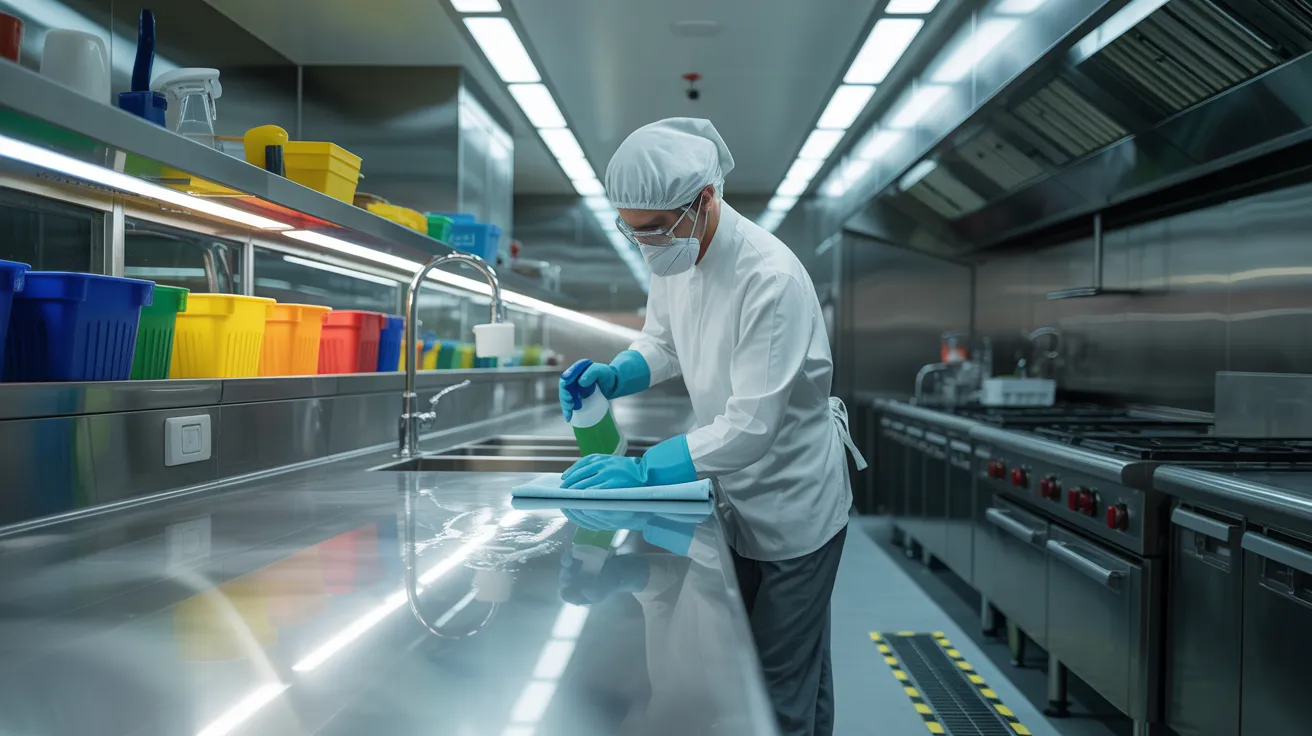
Key Takeaways
- Food safety cleaning experts in Brampton support restaurants, grocery departments, commissaries, warehouses, bakeries, schools, mobile vendors, and allergen-sensitive operations.
- High-touch surfaces, food-contact equipment, kitchens, floors, drains, restrooms, and storage areas are disinfected using compartmentalized approaches to prevent cross-contamination.
- Validation of proper chemical concentration, compatibility, and contact time is completed by approved specialists, with finishing recorded using checks, reviews, and action records.
- Optimal hygiene schedules account for threat, output capacity, changeovers, incidents, and guidelines when assigning regular, recurring, and seasonal activities by area.
- Providers must possess hazard analysis knowledge, health regulatory competency, safety training education, insurance, testimonials, colour-coded tools, and compliance-ready maintenance paperwork.
Food Safety Cleaning Requirements for Brampton Operations
Food safety cleaning is mandatory for any Brampton facility that handles, maintains, prepares, packages, or offers food. Apply it to your facility if it is subject to public health inspection, food premises regulations, or internal HACCP-based controls. This includes food service venues, employee dining, supply facilities, retail sections, butcheries, seafood counters, retail shops, and facility kitchens.
Proper sanitation protocols is equally required in warehouses, food manufacturing plants, cold storage sites, retail bakeries, school nutrition programs, banquet halls, and meal delivery hubs. Mobile and temporary establishments apply similarly, examples including catering trucks, festival vendors, and pop-up food booths. Your venue demands documented cleaning protocols if your employees handle raw materials, divide prepared foods, warm meals, or maintain allergen storage. In Brampton, sanitation stays voluntary; it constitutes regulatory, business, and safety requirements.
What Services Do Brampton Cleaning Experts Provide?
Professional cleaning teams specializing in Brampton sanitize touched surfaces, food preparation areas, ground surfaces, and restrooms to satisfy food safety standards and health requirements. Focus on these locations stems from extreme cross-contamination risk, injury hazards, and compliance issues.
By knowing exactly what gets cleaned, you are able to confirm your operation's sanitation protocols meet compliance standards.
High-Touch Surface Sanitizing
determine how frequently each point is disinfected
using sequential workflows, and keeping separate disinfection tools according to location
Food Prep Areas, Flooring, and Sanitary Facilities
Brampton cleaning professionals will address kitchens, floors, and restrooms since each space presents different hygiene concerns, slip-and-fall, and community health challenges. In industrial kitchens, you need grease removal from cooking stations, appliance surfaces, drain systems, preparation areas, and backsplashes to minimize bacterial growth and pest activity.
Floor care that is recorded should also be anticipated. Technicians clean and remove buildup from grout, tile, and vinyl flooring, then apply correct drying techniques so you can reduce slip incidents and meet regulatory standards. They also handle entryways where moisture and debris migrate indoors.
Restroom cleaning involves disinfecting touchpoints, fixtures, partitions, dispensers, and waste containers, replenishing amenities and managing odor. They also maintain restaurant cleaning supply rooms where product storage, sink cleanliness, and drain systems impact daily sanitation standards and worker protection.
Why Food Safety Cleaning Matters in Brampton
In Brampton, you must maintain food-safe cleaning standards to meet health code requirements and pass inspections. You also reduce bacterial spread through proper cleaning of food-preparation surfaces, appliances, and frequently-touched items. Most importantly, you help protect public health by lowering the risk of foodborne illness in your facility.
Regulatory Code Requirements
Because Brampton food establishments operate under stringent health requirements, food safety cleaning directly influences your capability to fulfill health code requirements, protect customers, and prevent enforcement action. You must maintain hygienic food handling zones, written maintenance records, correct sanitizer application, and verifiable staff procedures that comply with municipal and provincial inspection expectations.
Quality sanitation practices aids in preventing allergen issues by limiting buildup buildup on mutual appliances and commonly contacted zones.
Cross-Contamination Prevention
Meeting regulatory requirements also depends on your ability to prevent cross-contamination during daily food handling and cleaning. You must separate raw ingredients from ready-to-eat foods, sanitize prep surfaces between tasks, and store chemicals away from food-contact items. Established guidelines minimize contamination chances and ensure ongoing adherence to health checks.
Building allergen segregation prevents key allergens from reaching common workstations, storage, or apparatus. Leverage separate cutting boards, colored implements, and precise instrument labeling so staff don't mix items in cooking or serving.Enforce handwashing after handling raw meat, seafood, eggs, or allergen-containing products. Refresh cleaning cloths frequently, and confirm disinfectant efficacy using test strips. When your team follows these practices each shift, you create a cleaner, safer operation that exceeds Brampton's safety standards daily.
Public Health Safeguarding
When food safety cleaning weaken, you don't only risk a failed inspection—you expand the chance of food contamination affecting customers, staff, and the larger Brampton community. You also weaken your role in safeguarding community wellness, especially in high-traffic food premises where contamination can spread quickly through surfaces, equipment, and touchpoints.
You require cleaning protocols that remove contaminants, sanitize effectively, and validate outcomes. This involves maintaining exposure durations, using authorized sanitizers, logging schedules, and coaching employees to meet health-unit expectations. These measures prevent pathogen control by decreasing microbial counts before reaching surfaces or food. Throughout Brampton, strong cleaning protects vulnerable communities, reduces outbreak risk, and proves your diligence. When you adhere to standards, you go beyond requirements—you mitigate risk and facilitate secure food handling region-wide.
How Can Cleaning Practices Ensure Food Safety Compliance?
Strict sanitation practices promote food safety compliance by reducing contamination risks, managing pathogen expansion, and positioning your facility in accordance with sanitation requirements under HACCP-based programs and public health regulations. You ensure that food-contact surfaces remain visibly clean and microbiologically controlled, enabling documented preventive controls and inspection readiness.
Well-executed cleaning efforts also enhance allergen control by extracting residues that can cause undeclared allergen exposure.
What's the Best Time to Arrange Commercial Cleaning?
accumulate harmful substances. Increase frequency
risk levels, production capacity, or regulatory requirements change
What Should You Look For in Brampton Cleaning Experts?
Screen providers initially by their food-safe sanitation requirements—not budget alone. You need to verify that every company meets CFIA, public health, and HACCP-aligned expectations for your operation. Demand insurance verification, WHMIS compliance, training records, and management systems. Evaluate technician knowledge of cross-contamination risks, chemical safety, and documented sanitation practices.
You should further examine service consistency and answerability. Request testimonials from Brampton food businesses, then review response times, corrective-action procedures, and communication standards. Validate the company facilitates supplier audits and can present inspection-ready documentation to regulators or external parties. Confirm equipment is maintained, colour-coded tools are applied correctly, and facility-specific risks are recognized. A experienced service ensures regulatory compliance, product quality, and your brand reputation.
Which components are part of a hygiene cleaning program?
Develop a written strategy that makes clear every sanitation task, standard, and responsibility before production begins. You should outline cleaning schedules, authorized chemicals, concentration levels, contact duration, implements, and validation techniques for each zone, surface, and piece of equipment. Include pre-operational inspections, corrective actions, and employee training requirements.
Your program should also cover cross-contamination controls, waste handling, pest-prevention measures, and documented schedules for bathrooms, drainage systems, surfaces, and food-preparation zones. Explain how you'll separate raw and ready-to-eat processes, support ingredient tracking, and maintain accurate allergen labeling through validated cleaning between product changes. You should comprehensive guide designate accountability, keep signed records, and review results against regulatory standards, HACCP controls, and customer requirements. When gaps appear, update procedures immediately and re-educate staff.
Commonly Requested Inquiries
Do sanitation providers operate during nighttime hours at Brampton properties?
If you manage regulated spaces, you'll also need documentation that support audits and maintain assurance.
Do Brampton cleaning experts offer hazard containment services?
Yes, you can find many Brampton sanitation experts offering emergency response services. They manage hazardous materials, assess dangers, contain affected areas, and perform swift decontamination to reduce exposure and prevent disruption. You should confirm timeframes, training credentials, protocols, and procedures. If your facility needs compliance, pick a provider that logs events, follows procedures, and ensures verification.
Will green disinfectants clean safely food-handling equipment?
Definitely, natural disinfectants function safely on surfaces contacting food if you buy solutions certified for food use that meet regulatory compliant. You ought to validate contact duration, mixing proportions, and rinse protocols before use. Natural-based solutions decrease chemical hazards, but you require proof of efficacy against harmful bacteria. To ensure residue free surfaces, adhere to manufacturer directions precisely and ensure your cleaning agent adheres to applicable food industry sanitation standards.
Can maintenance plans be tailored for seasonal shifts?
Certainly, maintenance plans adjust to seasonal production changes well. Adapt timing, staff levels, disinfectants, and confirmation procedures to fit with seasonal workflows while maintaining regulatory requirements. Minimize production downtime by organizing cleaning around production shifts, peak volumes, and usage cycles. Further update SSOPs, employee training, and environmental monitoring to address seasonal hazards, novel allergens, or increased soiling. Ongoing evaluations keep your strategy efficient.
Are commercial cleaners providing staff training on sanitation best practices?
Indeed, commercial cleaning providers often offer staff training on proper hygiene. Your team obtains training on proper chemical use, exposure durations, cross-contamination prevention, equipment breakdown, and documentation. They typically follow training with HACCP, GMP, and CFIA or regional health standards requirements. Many also execute sanitation audits to verify compliance, reveal issues, and strengthen improvement measures. This assists you to maintain consistent procedures, pass inspections, and decrease foodborne illness risks on a daily basis.
Summary
When you work with Brampton commercial cleaning and food safety experts, you don't just tidy up—you keep your operation inspection-ready and your standards compliant. From processing areas to kitchen spaces, every polished surface and well-kept corner minimizes pest intrusion and prevent costly setbacks. By scheduling service at the proper frequency and following a clear cleaning plan, you safeguard staff, patrons, and your brand image. In a tightly regulated environment, sanitary conditions aren't optional—they're part of doing business right.